Coyote and Predator Hunting in Kentucky: Day vs Night Tactics
If you've ever sat in a cold Kentucky field at daylight, you know calling in a coyote is no easy feat. There's a reason predator hunting's caught on here. It's challenging, the action is unpredictable, and it sure helps keep the deer and turkey numbers in check. Let's talk through the basics, no fluff—just what works here, day or night.
Daytime Coyote Hunting in Kentucky
- Pick Your Time: You'll see more coyotes moving at first light and late in the afternoon. Midday isn't a total bust, but the odds drop off once the sun gets high.
- Work the Calls: Rabbit in distress is the go-to, but don't be afraid to mix in pup yelps or a coyote howl. They're curious—and hungry.
- Find Good Ground: Kentucky's full of rolling hills, overgrown fields, and creek bottoms. Sit where you can see and still have cover. Fence lines, brush piles, and field edges work just fine.
- Wind Is Everything: If the wind's wrong, you might as well head home. Always have it blowing from where you expect coyotes to come, straight to you. They'll bust you fast if they catch a whiff.
Night Hunting Tactics
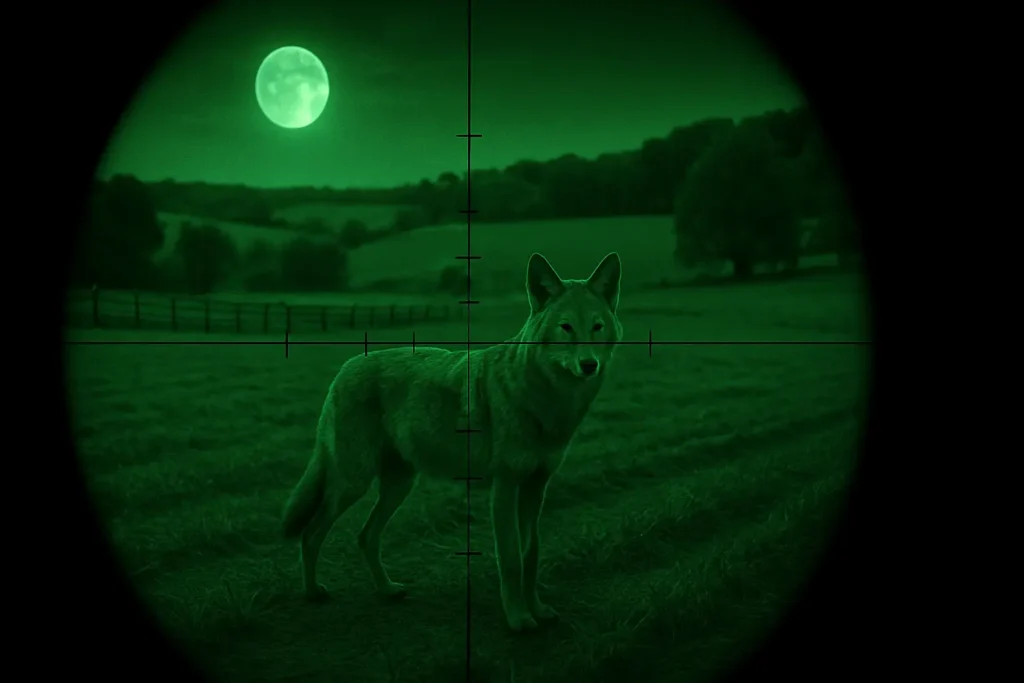
- Go Dark: Coyotes roam a lot farther once the sun sets. Use a red or green hunting light, or if you've got thermal gear, that's even better. You'll see eyes before you see fur.
- Stay Quiet: Sound carries more at night. Get in, set up, and give things a minute to settle down. No slamming truck doors or loud whispers.
- Call Less, Listen More: Shorter calling sequences and long pauses can work wonders after dark. Coyotes are wary and will circle your setup before committing.
- Farm Edges and Lake Borders: Farm country near cornfields, creek crossings, and even lake edges are top spots. Around Kentucky Lake and Barkley, nighttime can be prime time.
Don't Leave Home Without This Gear
- Electronic Call: FoxPro, Primos—pick your favorite, just keep it simple and reliable.
- Shooting Sticks: Kentucky fields can be rough and bumpy. Something to steady your aim makes a big difference.
- Camo That Fits the Season: If you stick out, you're done. Browns and grays in fall and winter, green in spring.
- Rangefinder: Especially if you're hunting at night. Coyotes look a lot closer than they really are in the dark.
When's the Best Time to Go?
- Winter: December through February, food's scarce, and they'll come to the call.
- Spring: Use pup distress and howls—coyotes get protective and aggressive with new litters on the ground.
- Summer: Nights are best. It's too hot during the day, and young coyotes are out learning the ropes.
- Fall: Young and dumb coyotes outnumber the wise old ones. It's a great time to call in a rookie.
Where to Hunt Coyotes in Kentucky
- Peabody WMA: Big fields, brush, and not much pressure. Worth a look out west.
- Daniel Boone National Forest: Rugged country with a lot of roadless ground—be ready to hike.
- Private Farms: Knock on a few doors and you might find more hunting than you can cover in a season. Most landowners welcome predator hunters, especially if you help out or keep them in the loop.
Brush up on rules and regs at the Kentucky Department of Fish and Wildlife Resources. There are a few night hunting requirements worth checking out.
Wrap-Up
Coyote hunting in Kentucky is as real as it gets. It'll test your patience and your woodsmanship, but there's nothing like hearing a pack fire up at dawn or watching a pair sneak in after midnight. Mix up your tactics, pay attention to wind and setup, and you'll put more fur in the truck. Good luck, and enjoy the hunt.