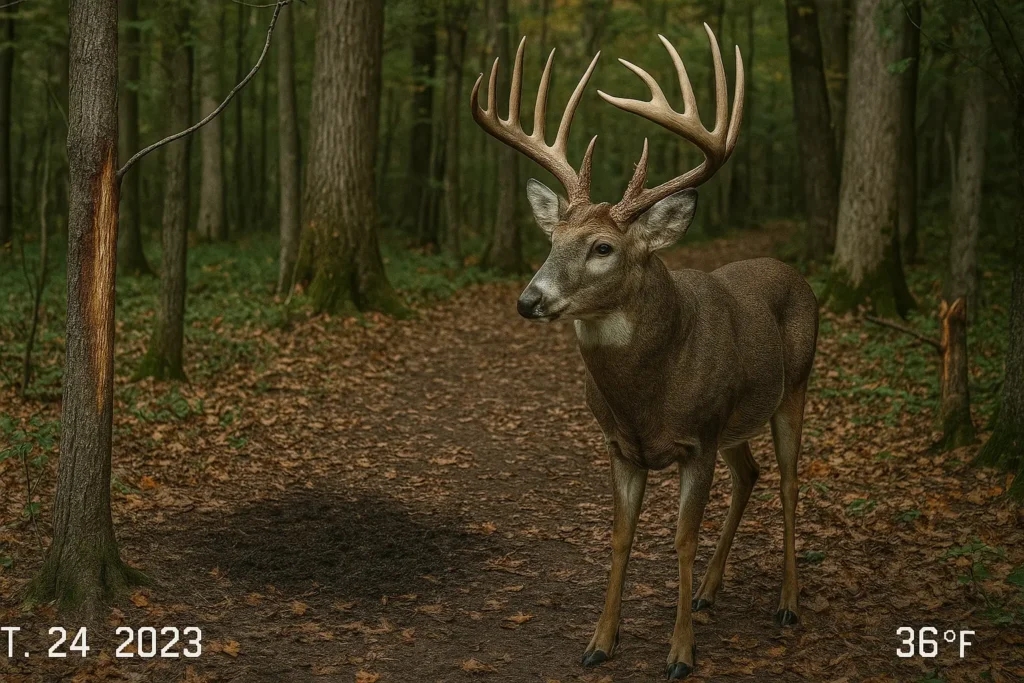
Trail Cameras, Rubs, and Scrapes
Ask any seasoned hunter—scouting is what puts meat in the freezer, not just luck on opening day. In Kentucky, where deer have thousands of acres of farmland and hardwoods to hide in, doing your homework pays off. Here's a boots-on-the-ground approach to reading deer sign, using trail cams, and picking apart rubs and scrapes for your next hunt.
Why Scouting Matters in Kentucky
Kentucky deer are smart. They'll figure you out if you're sloppy, but if you take the time to scout, you'll stay one step ahead. Walking the land before season helps you learn where the deer bed, feed, and travel—so you can make a plan that actually works when it counts.
Trail Cameras: Your Extra Set of Eyes
- Set your cameras on pinch points, field edges, or spots where two trails come together. Funnels, saddles, and creek crossings are gold mines for photos.
- Start hanging cams in early August to catch bucks still in velvet. Keep them running through October and into the rut to see what's moving and when.
- Wear rubber boots and use scent spray when checking cams—Kentucky deer get wise to pressure quick, especially on public land.
Reading Rubs and Scrapes
- Rubs: Bucks tear up small trees and saplings to mark territory or blow off steam in early fall. Find a fresh rub line and you're close to a travel route or bedding area.
- Scrapes: These are spots bucks paw the dirt and leave scent, usually under an overhanging branch. Primary scrapes—big, muddy, and used often—are worth sitting during the rut.
Best Times and Seasons for Scouting
- Summer (June–August): Great for glassing bean fields at dusk or checking clover patches. Perfect time to start camera work near food sources.
- Early Fall (September–October): Bucks start shifting patterns, using transition areas between food and bedding. Scrapes start popping up by late September.
- Rut (Late October–Mid November): Key time for reading new rubs and scrapes—bucks are on their feet looking for does. Scout near thick cover and known travel corridors.
Must-Have Scouting Gear
- Trail Cameras: Mid-range cams with good night vision or cell capabilities let you scout without too much disturbance.
- Binoculars: A good pair lets you glass distant fields and avoid busting deer out of their beds.
- Mapping Apps: Tools like OnX, HuntStand, or BaseMap help you keep track of sign, cam locations, and likely stand spots.
- Scent-Free Boots & Clothing: It's Kentucky—ticks are bad, and deer know when you've been there.
Scouting Public Land in Kentucky
- Kentucky Lake WMA: Hunt the edge between hardwoods and water—backwater sloughs are overlooked by most hunters.
- Lake Cumberland WMA: Hike the hills, find hidden flats with acorns, and scout trails that cross saddles or benches.
- Green River Lake WMA: Watch for deer cutting between ag fields and thicker woods along the lake shore.
Check boundaries, access, and rules on the official Kentucky public hunting page.
Final Thoughts
Scouting Kentucky deer ground is more than wandering aimlessly. The more effort you put in with cams, glassing, and reading sign, the better your odds when the sun comes up on opening day. Hunt smart, respect the land, and good luck filling that tag this season.