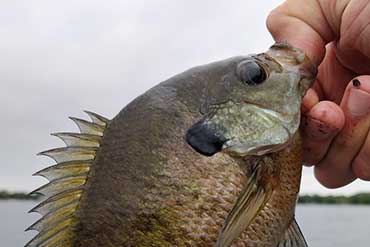
Catching Bluegill & Sunfish in Kentucky: Tips from the Dock
When it comes to catching bluegill and sunfish in Kentucky, you really don't need fancy gear or years of experience—just the right know-how, a little patience, and maybe a cold drink nearby. These panfish are everywhere, from big lakes like Kentucky Lake to quiet farm ponds out in the sticks. And let's be honest—they're just plain fun to catch.
Best Ways to Catch Bluegill & Sunfish
- Bobber and Live Bait: Can't beat it for kids or beginners. Toss out a small hook with a worm or cricket under a bobber and wait for that telltale twitch. Keep the bait close to weeds, brush, or docks—bluegill love hanging out where there's cover.
- Fly Fishing: If you're after some real excitement, try a lightweight fly rod. Tiny foam poppers, nymphs, or spiders work well, especially along shady banks or under overhanging trees.
- Micro Jigs: Sometimes bluegill are deeper, especially in summer. A 1/32 or 1/64-ounce jig with a tiny grub can work wonders—just bounce it along the bottom or through schools.
- Drop Shotting: Got fish holding deep? Drop shot rigs tipped with a bit of worm or plastic keep your bait right in their face.
Top Lures for Bluegill and Sunfish
They'll bite live bait all day, but they're not picky. Try mini crankbaits, tiny spinners (like Mepps or Rooster Tails), Trout Magnets, or a Rebel Crickhopper for bigger bluegill. Don't be afraid to mix it up—sometimes a new lure is the ticket.
When to Fish for Bluegill in Kentucky
- Early Morning (Sunrise–10am): Fish feed close to shore—great time for kids or anyone new to fishing.
- Late Afternoon (4pm–Sunset): Another feeding window before dark, especially near cover.
- Midday (in summer): Fish deeper water or stay in the shade—they don't like the heat any more than we do.
Best Time of Year for Bluegill & Sunfish
- Spring: Peak time! Fish move shallow to spawn. Try coves, weed beds, and anywhere you spot beds in 1–4 feet of water.
- Summer: Fish deeper during hot days, but mornings and evenings can be excellent near docks and drop-offs.
- Fall: Fish move up shallower again and feed heavy before winter. Crankbaits, spinners, or worms—take your pick.
- Winter: It's tougher, but if you fish slow and deep, you'll still find a few.
Kentucky's Top Bluegill Fishing Spots
- Kentucky Lake & Lake Barkley: Both loaded with big bluegill.
- Taylorsville Lake: Steady action and nice size fish.
- Cedar Creek Lake: Clear water and chunky bluegill.
- Dale Hollow Lake: Fly anglers love it here.
- Farm Ponds & Creeks: Don't overlook the small waters—often the best spots for numbers and size.
Final Tips from the Locals
- Light line (2–6 lb) gets more bites and is more fun.
- Tiny hooks fit their small mouths best.
- Don't stick in one spot if they're not biting—move around.
- Cover is king: weeds, brush, docks, even a fallen tree can hold a mess of fish.
- Bring the kids. Bluegill are perfect for young anglers learning the ropes.
Bottom line? Bluegill and sunfish fishing in Kentucky is all about relaxing, catching lots of fish, and making memories. Whether you're frying them up for dinner or just tossing them back, it's hard to have a bad day on the water.