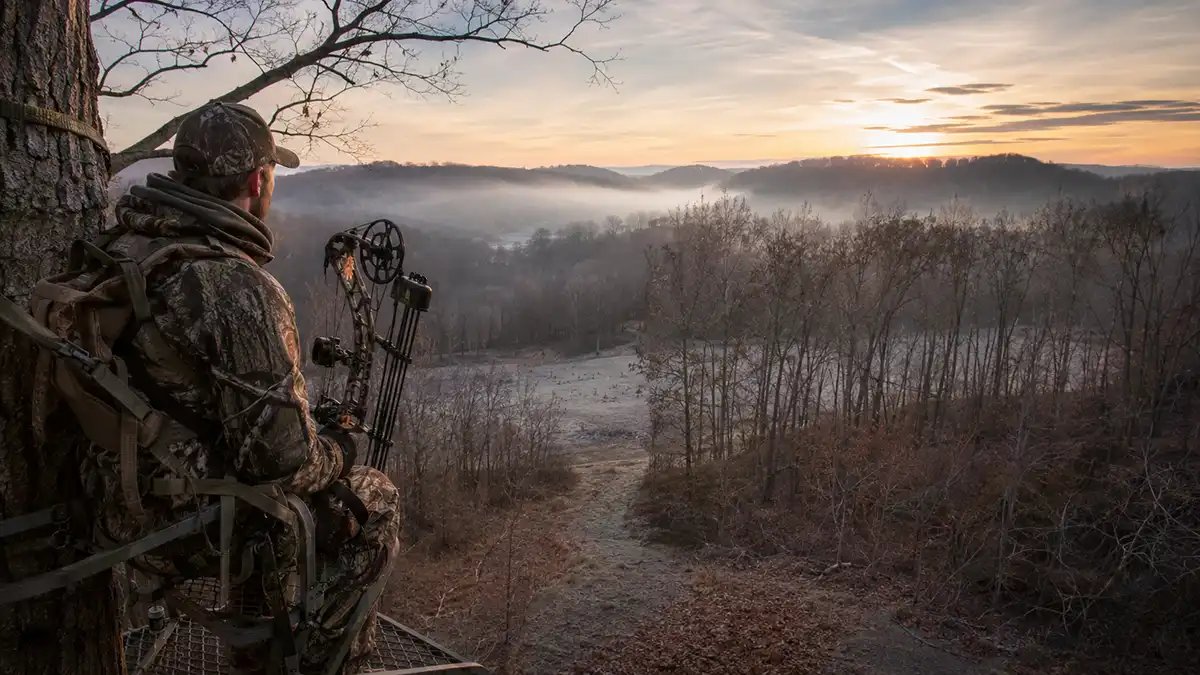
Deer hunting is a way of life in Kentucky, and the state's whitetail herd and long, varied seasons draw hunters into the woods from early fall clear through winter. If you're new to it — or just want to understand how it all fits together — this guide walks through Kentucky's deer seasons, the zone system, and how to prepare. Because dates and limits change every year, treat this as a framework and always confirm the specifics with the Kentucky Department of Fish & Wildlife Resources.
The Seasons and Weapon Types
Kentucky structures its deer seasons around weapon types, giving hunters months of opportunity:
- Archery — the longest season, running from early fall into winter, open to bows and (typically) crossbows for a quiet, close-range challenge.
- Crossbow — its own season window in addition to archery, popular with youth, older hunters, and anyone who prefers it.
- Muzzleloader — usually an early two-day season and a longer late season for black-powder hunters.
- Modern gun — the marquee season, typically a couple of weeks in November that coincides with the rut, when the woods fill with hunters.
- Youth-only weekends — special early opportunities to take a young hunter afield.
Understanding the Zone System
Kentucky divides its counties into deer management zones, numbered 1 through 4. The zone a county falls into determines how liberal the antlerless (doe) harvest is — Zone 1 counties, with the healthiest deer densities, generally allow the most antlerless harvest, while higher-numbered zones are more conservative to grow the herd. Knowing your county's zone tells you how many deer you can take and when you can take antlerless deer with each weapon, so it's the first thing to check when you plan a hunt.
How to Prepare for the Season
Great hunts are made in the off-season. Scout your area for trails, rubs, scrapes, bedding, and food sources, and set stands or blinds with the prevailing wind in mind. Well before opening day, sight in your rifle or muzzleloader and practice with your bow until you're confident at realistic ranges. Check and hang stands early so you're not spooking deer right before the season. Get your gear in order — from safety harness to warm layers — and make a plan for tracking and recovering a deer after the shot.
Licenses, Permits, and Tagging
Before you hunt, make sure you have a valid Kentucky hunting license and the appropriate deer permit for your situation; requirements differ for residents, nonresidents, youth, and seniors. Kentucky uses a Telecheck system to report your harvest, and you'll need to log and check your deer promptly after recovery. Review the current rules carefully so your season starts on the right side of the law.
Hunt Safely
The most important tag you'll fill is coming home safe. Always wear a full-body safety harness in a tree stand, wear the required amount of hunter orange during gun seasons, and positively identify your target and what's beyond it before every shot. Let someone know where you're hunting and when you'll be back.
From a crisp October bow sit to the rut-charged gun opener, Kentucky's deer seasons offer something for every hunter. Learn the framework, check the current regulations, put in the scouting, and you'll be ready when opening morning finally arrives.