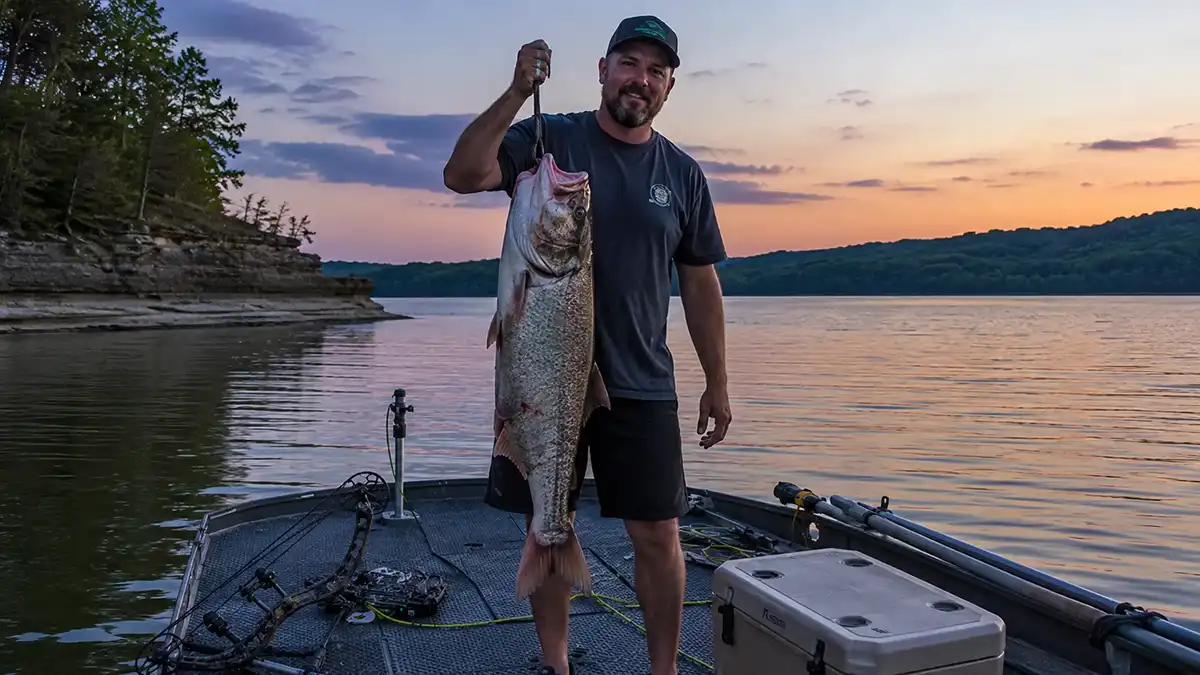
Bowfishing is one of the most fun and fast-paced ways to enjoy the water, but with that fun comes responsibility. Knowing the rules keeps you legal, and hunting ethically keeps the sport respected and our waters healthy. Whether you're brand new or a seasoned shooter, here's a plain-language look at bowfishing rules and ethics in Kentucky.
Which Fish Are Legal to Bowfish?
The core rule of bowfishing everywhere in Kentucky is simple: it's for rough and nongame fish only. Legal targets typically include common carp, gar, buffalo, bowfin, gizzard shad, suckers, and invasive Asian carp. Game fish are strictly off-limits to archery gear — you may not shoot bass, crappie, bluegill, catfish, walleye, trout, or other sport fish with a bow. Because the exact species list and any water-specific exceptions can change, always confirm the current legal species with the Kentucky Department of Fish & Wildlife Resources before you go.
Licenses and Regulations
Bowfishing is legally a form of fishing, so you'll generally need a valid Kentucky fishing license (with the usual exemptions, such as for younger children — verify current rules). Beyond that, pay attention to any regulations on where bowfishing is allowed, permitted equipment, and hours, since some waters or areas — including federally managed places like Land Between the Lakes — may have their own rules. Reading the current regulations each year is the mark of a responsible bowfisher.
The Invasive Species Angle
One of the things that makes bowfishing feel good is its role in managing invasive species. Asian carp — including bighead and silver carp — have spread through many Kentucky waters and damage native fisheries. Bowfishers help by removing them, and many tournaments specifically target these invaders. It's a rare sport where filling the boat can genuinely benefit the ecosystem.
Avoid Wanton Waste
Here's the heart of bowfishing ethics: don't let your catch go to waste. The old habit of shooting fish and leaving them to rot on the bank or dumping them back in the water is unethical, often illegal, and gives the sport a black eye. Instead, have a plan for every fish you take:
- Eat them — carp, buffalo, and gar are all edible and, prepared well, quite good.
- Use them as fertilizer or garden compost, where appropriate and allowed.
- Dispose of them properly in the trash or an approved location — never left on the bank or ramp.
Treating your catch with respect is what separates a responsible bowfisher from a careless one.
Respect the Water and Others
Good ethics extend to how you carry yourself on the water. Get permission before shooting on private property, give other boaters and anglers space, keep noise and lights considerate near homes and campsites at night, and leave launches and shorelines cleaner than you found them. Practice safe shooting — always use a safety slide, know what's beyond your target, and never point a bow at anything you don't intend to shoot.
Do It Right
Bowfishing thrives when its participants are legal, ethical, and respectful. Learn the current rules, target only legal species, use every fish you take, and treat the water and other people well. Do that, and you'll help keep this exciting sport welcome on Kentucky's waters for years to come. When in doubt, check with the Kentucky Department of Fish & Wildlife Resources — they're the final word on what's legal.